
Debunking Myths: What Clean Label Ingredients Really Mean


Understanding Clean Label Ingredients
In recent years, the demand for transparency in food labeling has skyrocketed. Consumers are increasingly seeking products with clean labels, but what does this term truly mean? Often, it’s surrounded by misconceptions that can leave shoppers confused. In this post, we aim to clear up some of these myths and provide a clearer understanding of clean label ingredients.
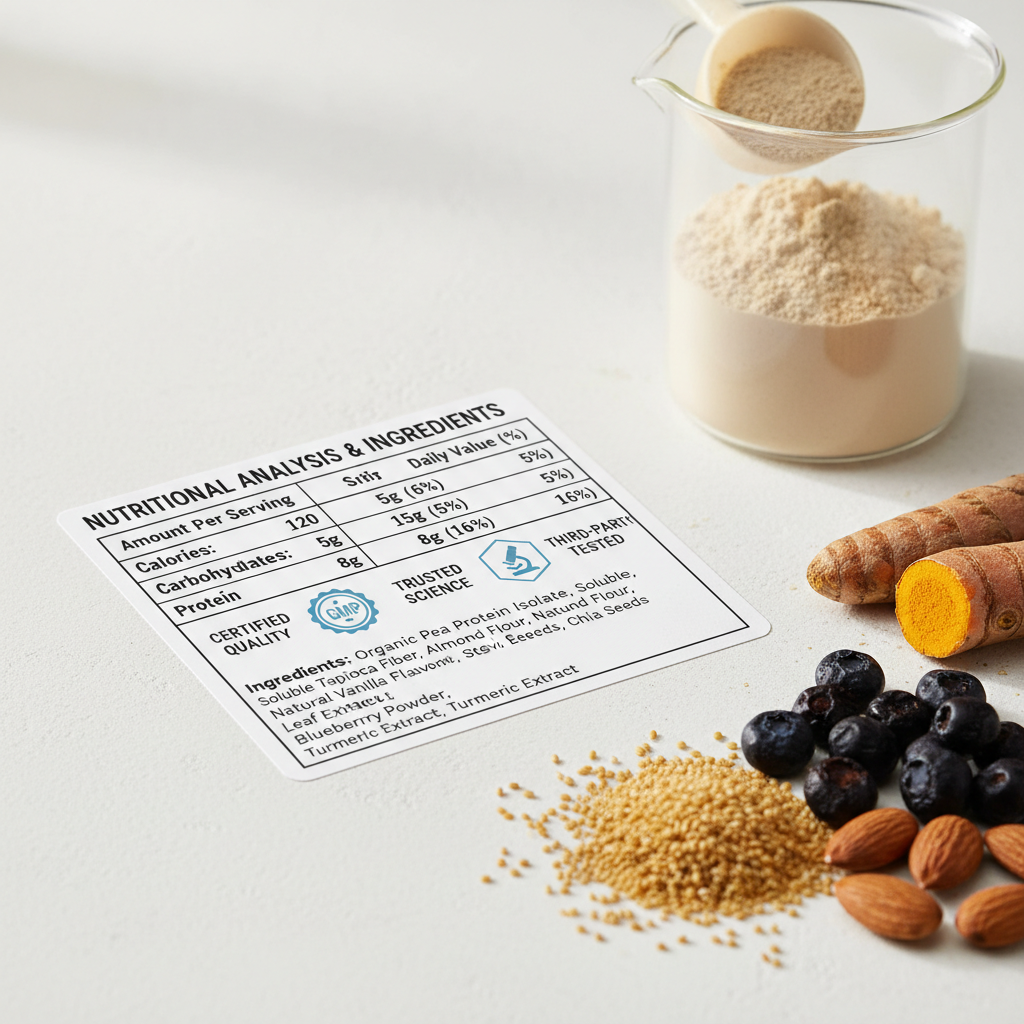
Myth 1: Clean Label Means Organic or Natural
A common misconception is that clean label products are synonymous with organic or natural foods. While clean label products often contain fewer artificial additives, they are not necessarily organic. Organic certification involves specific farming practices, while clean labels focus on ingredient transparency and simplicity.
Clean label products emphasize ingredients that are easy to recognize and understand, regardless of their organic status. The goal is to provide consumers with products free from artificial additives, preservatives, and colors.
Myth 2: Clean Label Products Are Healthier
Another prevalent myth is that clean label products are inherently healthier. While they may lack artificial ingredients, this doesn’t automatically make them nutritious. A clean label can still contain high levels of sugar, fat, or sodium.

It's essential to read the entire label to understand the nutritional content. Clean labels prioritize transparency, allowing consumers to make more informed choices, but healthiness depends on the overall composition of the product.
Myth 3: Clean Labels Are Just a Marketing Gimmick
Some skeptics believe that clean labels are merely a marketing tactic with no real substance. However, the shift towards clean labeling reflects a genuine consumer desire for transparency and simplicity in food production.
Manufacturers are responding to this demand by reformulating products to exclude artificial and complex ingredients. This movement indicates a broader trend towards trust and accountability in the food industry.

The Real Benefits of Clean Label Ingredients
Despite the myths, clean label ingredients offer real benefits. They provide clarity, allowing consumers to make better-informed decisions about what they are eating. Transparency can lead to increased trust between consumers and brands.
- Simplicity: Clean labels often mean fewer ingredients, which can simplify purchasing decisions.
- Transparency: Clear labeling practices help consumers understand what they are consuming.
- Fewer Additives: Many clean label products aim to reduce or eliminate artificial additives.
How to Navigate Clean Labels
To navigate the clean label world effectively, consumers should:
- Read beyond the front label and examine the ingredient list.
- Understand that "clean" doesn't equate to "nutritious."
- Look for certifications and reputable brand practices.
By staying informed, consumers can choose products that align with their values and dietary needs, avoiding the pitfalls of marketing language.
In conclusion, while the term "clean label" might be misunderstood, it represents a positive shift towards transparency and simplicity in the food industry. By debunking these myths, we hope to empower consumers to make choices that are best for them.