
How Clean-Label Ingredients are Revolutionizing the Supply Chain


Understanding Clean-Label Ingredients
The term "clean-label" has become a buzzword in the food industry, representing a shift towards transparency and simplicity in food production. Clean-label ingredients are those that consumers recognize and understand, free from artificial additives, preservatives, and complex chemicals. This trend is not just a marketing strategy but a response to increasing consumer demand for healthier, more natural foods.
As the demand for clean-label products grows, the entire supply chain is being revolutionized. From sourcing to production, every step is being scrutinized to ensure that ingredients meet the clean-label criteria. This transformation is influencing how companies operate, impacting sourcing decisions, manufacturing processes, and even packaging.
Impact on Sourcing and Transparency
One of the most significant changes in the supply chain is the emphasis on sourcing transparency. Consumers want to know where their food comes from and how it's made. This demand has led to a more transparent supply chain, where companies are required to disclose the origins of their ingredients.
To meet these requirements, businesses are forming closer relationships with their suppliers. They are also investing in technology to track the journey of each ingredient from farm to table. This transparency not only builds trust with consumers but also allows companies to ensure the quality and integrity of their ingredients.
Innovations in Manufacturing Processes
With the shift towards clean-label ingredients, manufacturers are re-evaluating their processes. Traditional methods that rely on artificial preservatives and additives are being replaced with more natural alternatives. This requires innovation and a willingness to adapt to new technologies.
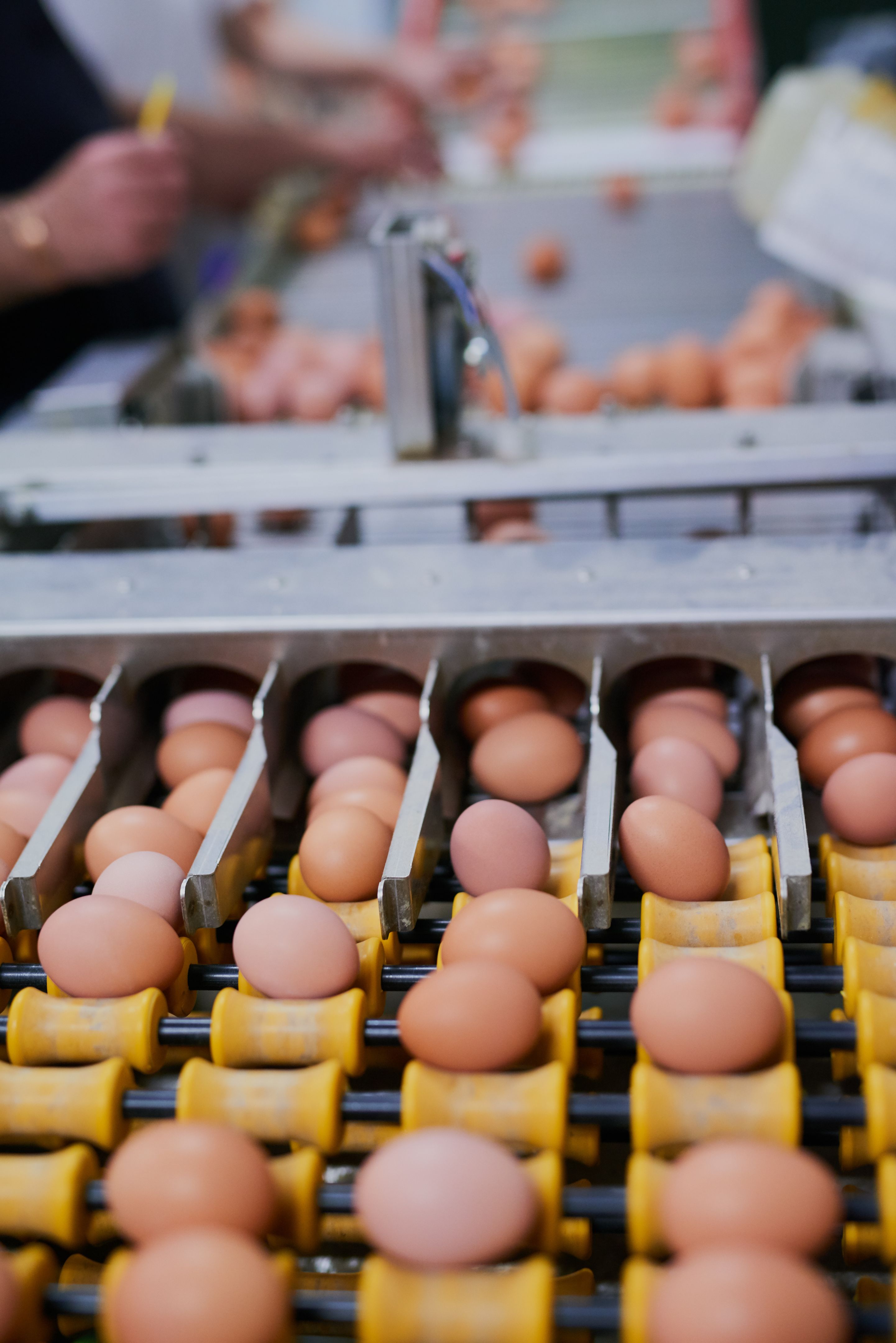
For instance, companies are experimenting with natural preservatives like vinegar and rosemary extract to maintain product shelf life. These changes may require significant investment, but they are essential to meet the growing consumer demand for clean-label foods.
Challenges and Opportunities in Packaging
Packaging is another area experiencing transformation due to the clean-label movement. Labels must now clearly communicate the simplicity and transparency of the product. This often means redesigning packaging to highlight the natural ingredients and the product's integrity.
While this presents challenges, it also offers opportunities for brands to differentiate themselves. Creative packaging that effectively communicates a product's clean-label credentials can capture consumer attention and enhance brand loyalty.
The Future of Clean-Label in the Supply Chain
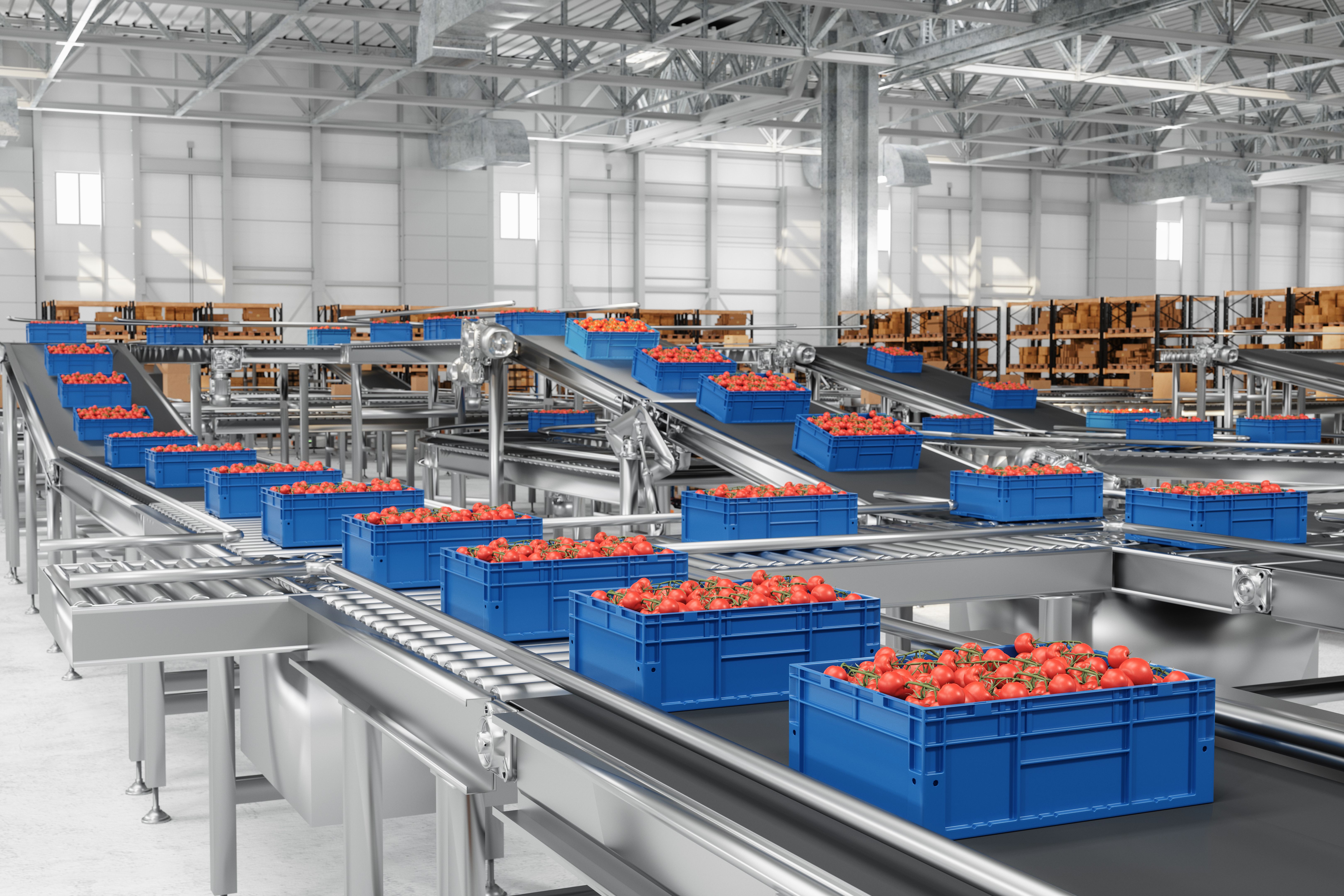
The clean-label trend is more than a passing fad; it represents a fundamental shift in consumer expectations and industry standards. As more companies embrace this movement, the supply chain will continue to evolve, focusing on sustainability, transparency, and innovation.
Looking ahead, companies that can successfully integrate clean-label practices into their operations will likely gain a competitive edge. By prioritizing natural ingredients and transparent processes, they will not only meet consumer demand but also contribute to a healthier, more sustainable food system.
Conclusion
The revolution of clean-label ingredients is reshaping the supply chain in profound ways. From sourcing to manufacturing to packaging, the entire process is being redefined to align with consumer expectations for natural, transparent products. As this trend continues, it will pave the way for a more responsible and consumer-focused food industry.