
How Clean Label Ingredients Are Transforming the Food Supply Chain


The Rise of Clean Label Ingredients
In recent years, there has been a significant shift in consumer preferences towards transparency and simplicity in food products. This shift has been largely driven by the demand for clean label ingredients—natural, recognizable, and minimally processed components that are perceived as healthier and safer. As consumers become more informed and conscious about what they consume, the food industry is undergoing a transformation to meet these evolving expectations.
Clean label ingredients are becoming a cornerstone of modern food production, influencing everything from product formulation to marketing strategies. This movement is not just a trend but a substantial shift in consumer behavior that is reshaping the food supply chain. Companies are now striving to eliminate artificial additives and preservatives, focusing instead on natural alternatives that provide similar benefits.

Impact on Food Manufacturers
For food manufacturers, adopting clean label ingredients presents both challenges and opportunities. On one hand, the transition requires re-evaluating existing recipes and sourcing new ingredients that align with clean label standards. This can involve a significant overhaul of supply chains and production processes. On the other hand, embracing this change can lead to increased consumer trust and brand loyalty, as well as potentially higher sales.
Manufacturers are finding innovative ways to replace artificial ingredients with natural ones. For instance, beet juice is being used as a natural coloring agent, while vinegar is employed as a preservative. These alternatives not only fulfill consumer demands but also contribute to a healthier image for the brand, which can be a key differentiator in a competitive market.
Challenges in Supply Chain Adaptation
Adapting to clean label demands poses several challenges for the food supply chain. Sourcing natural ingredients can be more complex and costly than using synthetic ones. There is also the issue of maintaining consistent quality and availability of these ingredients, as natural sources can be subject to seasonal variations and other environmental factors.
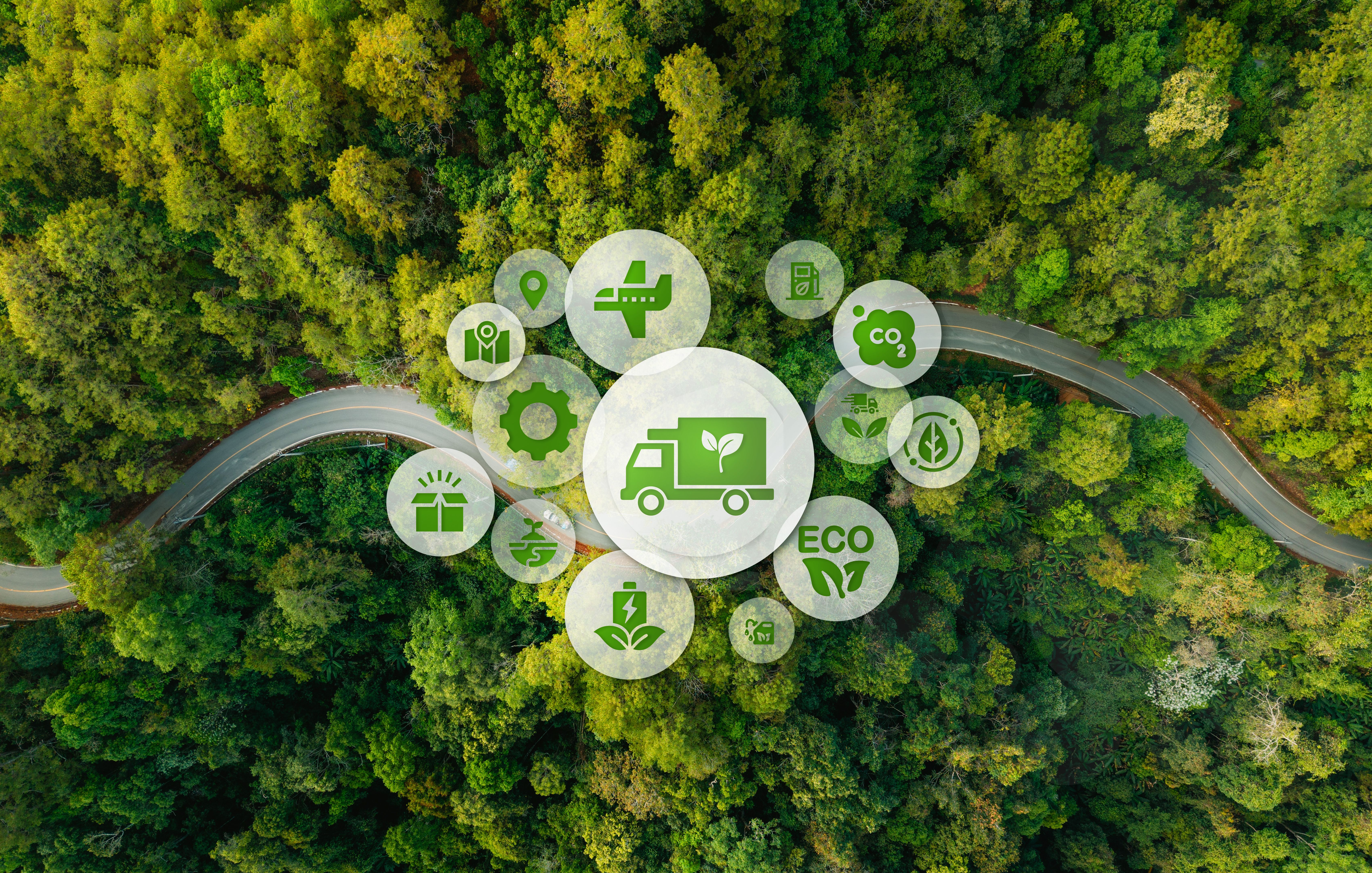
Moreover, supply chains must ensure that all stages of production and processing adhere to clean label principles. This often requires rigorous oversight and collaboration with suppliers to ensure transparency and traceability. Manufacturers need to be proactive in identifying potential issues and developing strategies to mitigate them.
Benefits for Consumers
The transition to clean label ingredients brings numerous benefits to consumers. With increased transparency, consumers can make informed decisions about the foods they purchase, aligning their choices with their health and ethical values. Clean label products often have shorter, simpler ingredient lists, reducing the need to decipher complex chemical names.
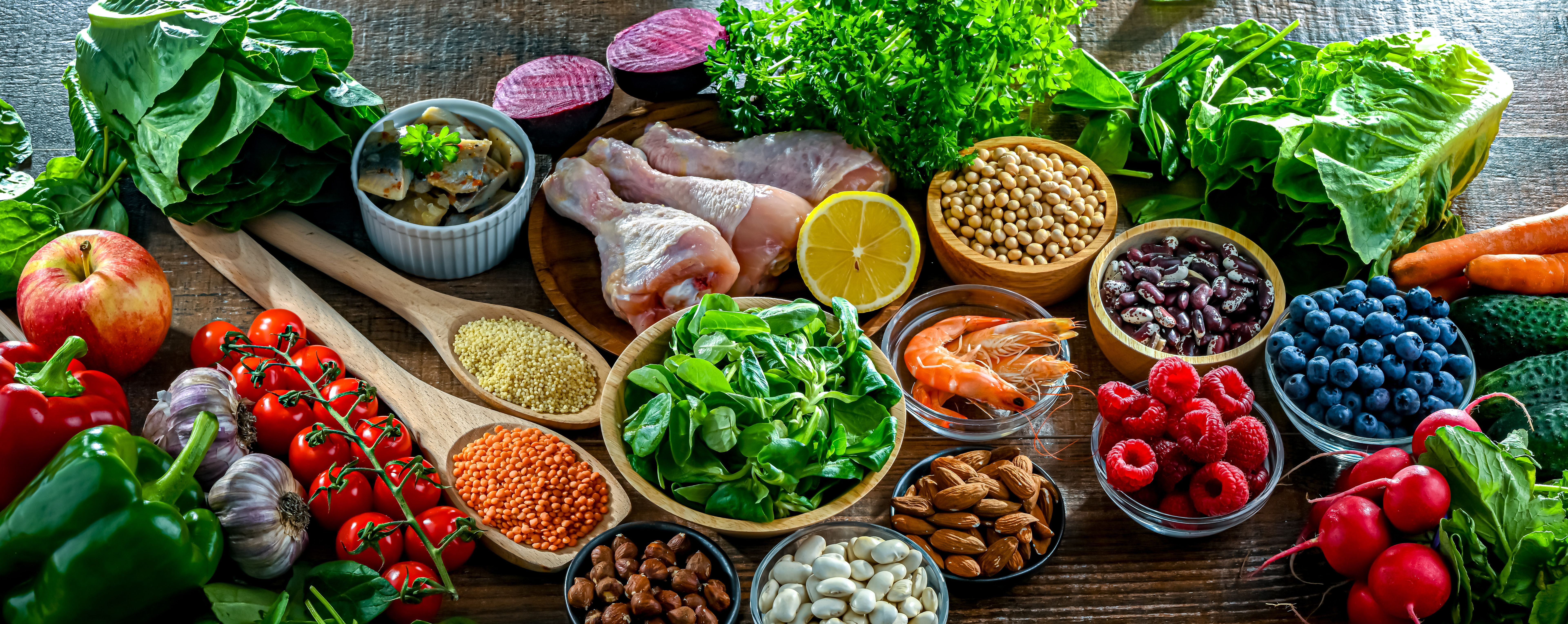
Additionally, clean label foods are perceived as being closer to their natural state, which can enhance their appeal. Many consumers associate natural ingredients with better taste and higher quality, which can drive preference for clean label products over conventional options.
The Future of Clean Label Movement
The clean label movement is expected to continue growing as more consumers prioritize health and sustainability. This trend is likely to spur further innovation in the food industry as companies seek to develop new products that meet clean label standards while still delivering on taste and convenience.
Looking ahead, it is anticipated that clean label practices will become a standard expectation rather than a niche market. As this occurs, the food supply chain will need to evolve continuously, embracing new technologies and methodologies to ensure that clean label products remain accessible and affordable for all consumers.