
How to Choose Clean Label Ingredients for Your Food Products


Understanding Clean Label Ingredients
The demand for transparency in food production has given rise to the clean label movement. Consumers are increasingly seeking products with ingredients they recognize and trust. But what exactly are clean label ingredients? They typically refer to items that are minimally processed, free from artificial additives, and have names that are easy to understand.
To choose the right clean label ingredients for your food products, it's essential to first understand your target market and their preferences. This will guide your selection process and ensure that your products meet consumer expectations.

Identifying Consumer Preferences
Before selecting ingredients, it's crucial to research and identify what your customers value. Are they looking for organic options, non-GMO products, or allergen-free foods? Understanding these preferences will help you make informed decisions.
Consider conducting surveys or focus groups to gather insights directly from your customers. This information will be invaluable in crafting products that align with their desires for clean label options.
Researching Ingredient Sources
Once you have a clear understanding of consumer preferences, the next step is to research ingredient sources. Look for suppliers who can provide transparency about their production methods and ingredient origins. This will ensure that the ingredients you choose align with clean label standards.
Prioritizing Minimal Processing
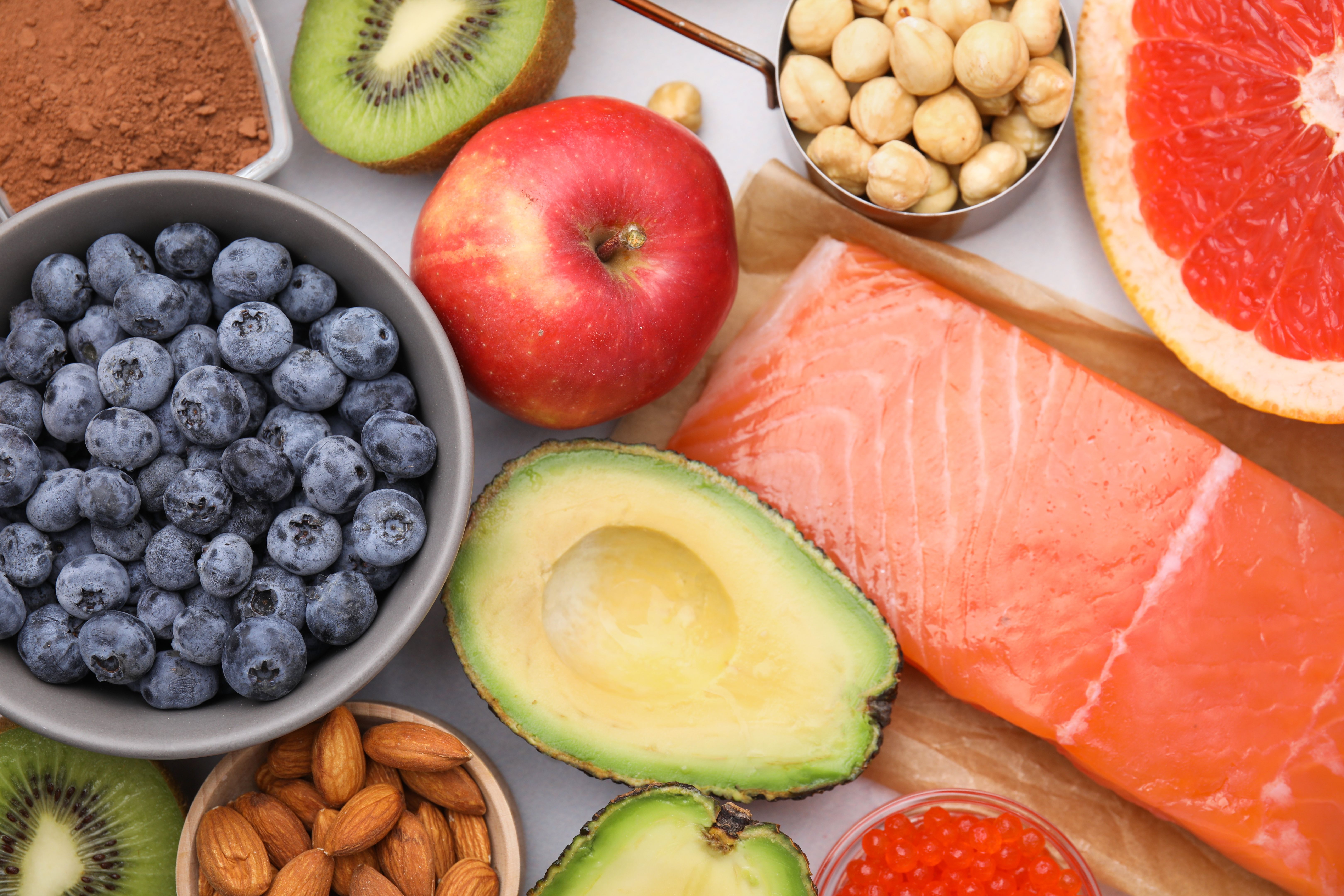
One of the key aspects of clean label ingredients is minimal processing. Consumers prefer ingredients that are as close to their natural state as possible. This means avoiding artificial preservatives, colors, and flavors, and opting for natural alternatives instead.
When evaluating potential ingredients, consider how they are processed and what additives, if any, are used. Selecting minimally processed ingredients can enhance your product’s appeal to health-conscious consumers.
Evaluating Nutritional Benefits
In addition to being minimally processed, clean label ingredients should offer nutritional benefits. Consumers are often looking for foods that contribute positively to their health, so it's essential to choose ingredients that add value.
Focus on incorporating whole foods, such as fruits, vegetables, and grains, that are rich in essential nutrients. Highlighting these benefits on your product packaging can further attract health-minded customers.
Testing and Feedback
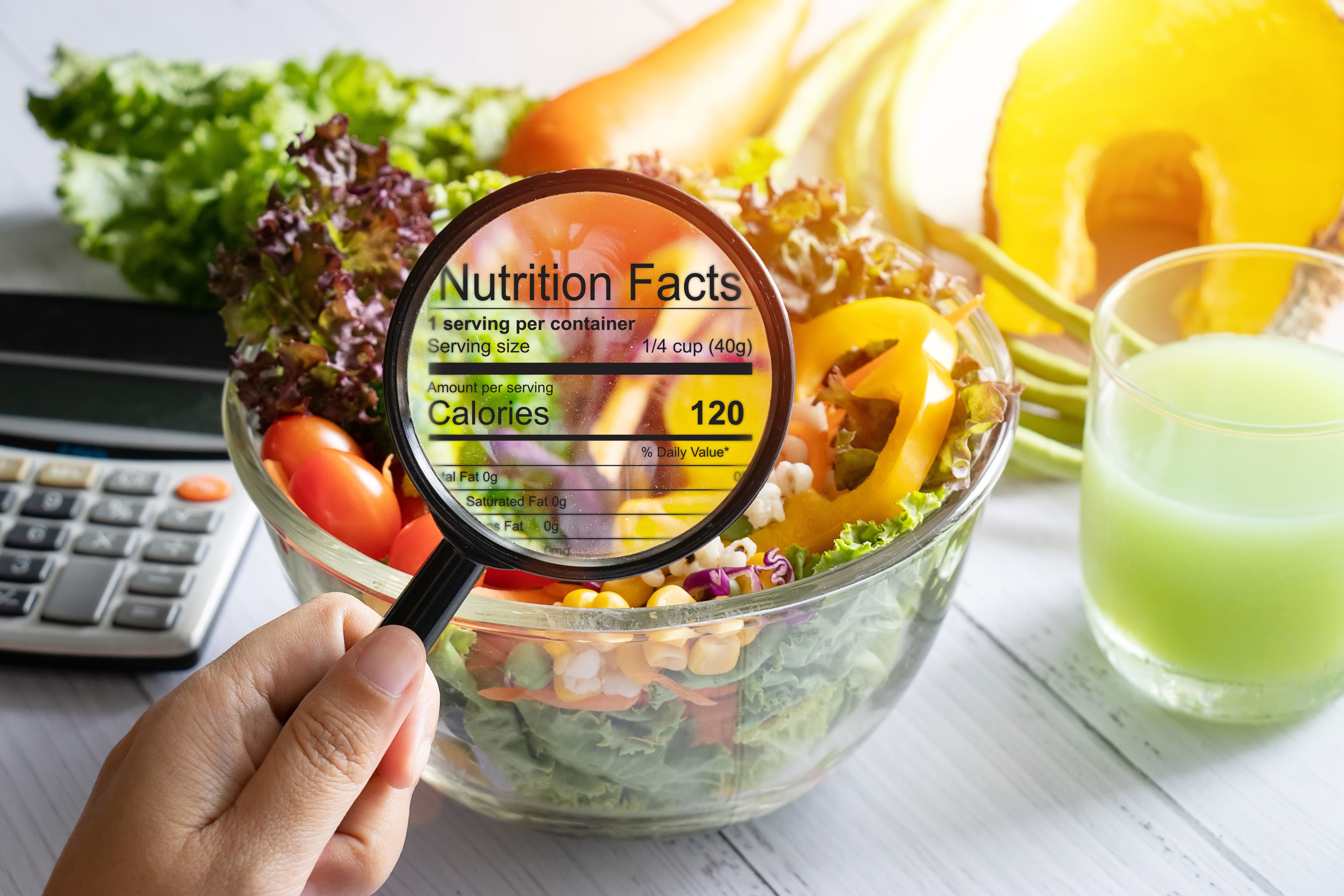
Before launching a new product, it's vital to test it with a sample audience. This feedback can provide insights into whether your chosen ingredients meet consumer expectations and preferences. Consider offering samples at local events or through online platforms to gauge reactions.
Pay attention to any feedback regarding taste, texture, and overall satisfaction. This will help you refine your ingredient choices and ensure your final product resonates with your target market.
Continuous Improvement and Transparency
The journey to adopting clean label ingredients is ongoing. As consumer preferences evolve, so should your ingredient choices. Regularly review and update your ingredient list to reflect the latest trends and consumer demands.
Maintain transparency about your ingredients and production processes. Clearly labeling your products and providing detailed information can build trust and loyalty among your customers, ultimately driving the success of your food products.