
How to Navigate Seasonal Demands in the Food Supply Chain


Seasonal changes can significantly impact the food supply chain, creating both challenges and opportunities for businesses. Understanding how to navigate these demands is crucial for maintaining efficiency and meeting consumer expectations. In this post, we'll explore strategies to effectively manage seasonal fluctuations in the food supply chain.
Understand Seasonal Patterns
One of the first steps in managing seasonal demands is to understand the specific patterns that affect your products. This involves analyzing historical data to identify trends and predict future demand. By doing so, businesses can anticipate changes and adjust their operations accordingly.
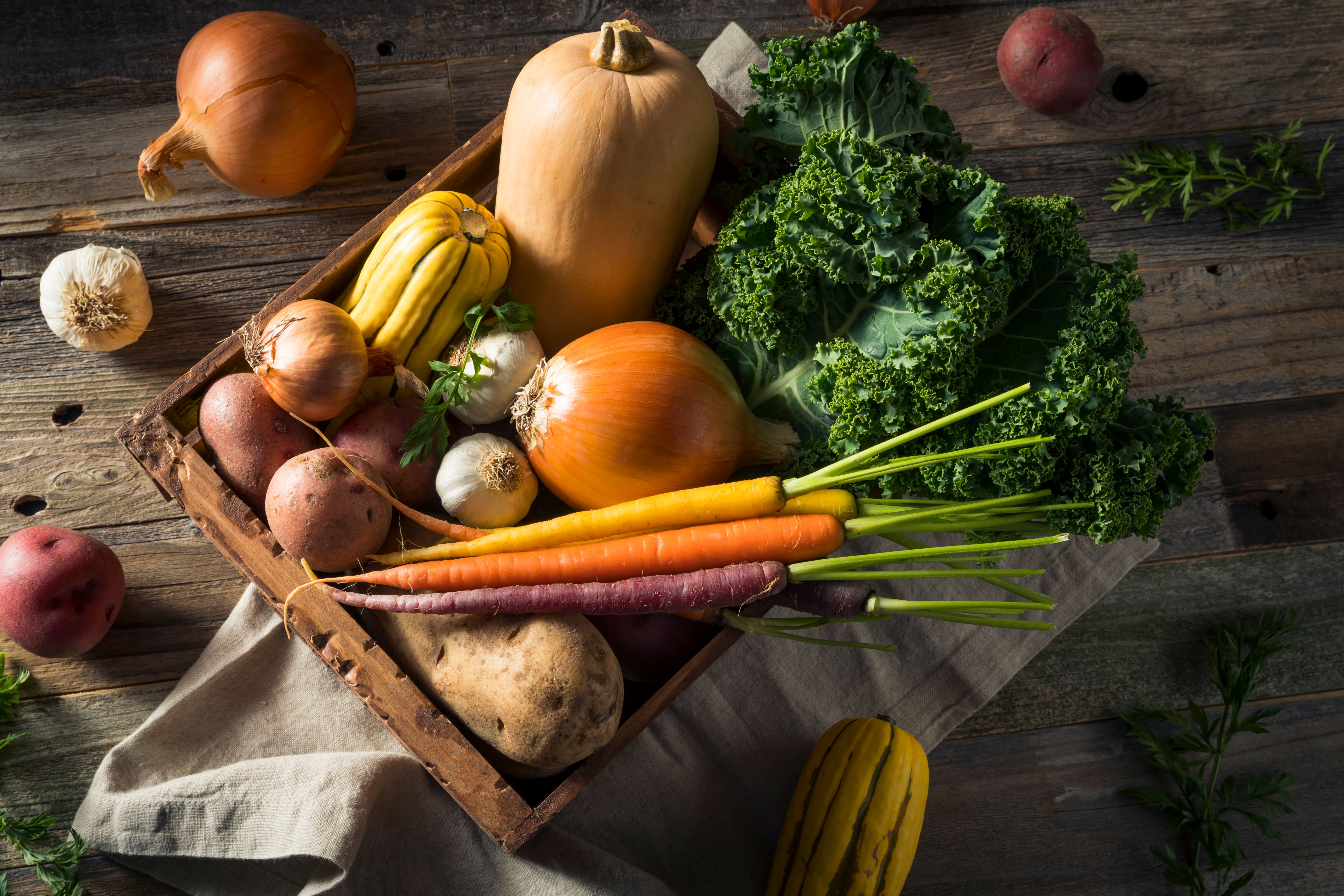
For instance, fresh produce availability can vary greatly with the seasons, impacting supply levels. Companies must be prepared to source alternative products or adjust their offerings during these times. Consistent monitoring and analysis will provide insights into these patterns.
Build Strong Supplier Relationships
Maintaining strong relationships with suppliers is crucial for navigating seasonal demands. A reliable supplier network can provide flexibility and options when regular supply channels are disrupted. Engage in open communication with suppliers to ensure they understand your needs and can respond quickly to changes.
Consider diversifying your supplier base to include partners from different regions. This strategy can mitigate risks associated with local seasonal disruptions, ensuring a steady flow of products.
Implement Flexible Logistics
Logistical flexibility is essential during seasonal shifts. Businesses should be prepared to adjust their transportation and storage strategies to accommodate changes in supply and demand. This might involve increasing warehouse capacity during peak seasons or optimizing delivery routes to ensure efficiency.

Leverage Technology and Data
Technology plays a critical role in managing the complexities of the food supply chain. Implementing advanced software solutions can provide real-time insights into inventory levels, shipping times, and demand forecasts. This information allows businesses to make informed decisions quickly, reducing the impact of seasonal fluctuations.
Data analytics can also help identify patterns and predict future trends, enabling proactive planning. By leveraging technology, companies can enhance their agility and responsiveness during seasonal peaks.
Focus on Customer Communication
Transparent communication with customers is key during seasonal changes. Informing them of potential delays, product substitutions, or limited availability can help manage expectations and maintain trust. Use various channels, such as email newsletters or social media, to keep customers updated on any changes that might affect their experience.

Optimize Inventory Management
Effective inventory management is vital for minimizing the impact of seasonal fluctuations. Businesses should aim to balance their inventory levels to avoid overstocking or stockouts. This involves regularly reviewing stock levels and adjusting purchasing strategies based on demand forecasts.
Utilizing inventory management software can streamline this process, providing insights into sales trends and helping to maintain optimal stock levels throughout the year.
Plan for Contingencies
Having a contingency plan in place is essential for dealing with unexpected disruptions during seasonal changes. This might include securing backup suppliers, arranging alternative transportation options, or developing strategies to quickly scale operations up or down as needed.
By preparing for the unexpected, businesses can minimize the impact of seasonal disruptions and maintain a steady flow of products to their customers.

In conclusion, navigating seasonal demands in the food supply chain requires a strategic approach that combines data analysis, strong supplier relationships, and effective communication. By implementing these strategies, businesses can enhance their resilience and continue to meet customer needs throughout the year.