
Pune's Role in Advancing Fair Trade Food Manufacturing


Pune: A Hub for Sustainable Fair Trade Practices
Pune, a vibrant city in India, is gaining recognition for its significant contributions to the fair trade food manufacturing sector. The city's dynamic blend of traditional practices and modern innovations is fostering a more equitable and sustainable food industry. As awareness of fair trade principles grows globally, Pune is emerging as a key player in this transformative movement.

Empowering Local Farmers
One of the cornerstones of fair trade practices is the empowerment of local farmers. Pune has been at the forefront of initiatives that support small-scale farmers by ensuring they receive fair compensation for their produce. By forming cooperatives and associations, these farmers gain better bargaining power and access to markets, leading to improved livelihoods and community development.
Organizations in Pune are actively working to educate farmers about sustainable practices and fair trade certifications. This education not only enhances the quality of produce but also opens up new avenues in international markets, increasing their competitiveness.
Commitment to Sustainable Practices
In addition to economic benefits, fair trade practices in Pune emphasize sustainability. Many food manufacturers in the region are adopting environmentally friendly practices, such as organic farming and reduced reliance on chemical fertilizers and pesticides. These efforts contribute to healthier ecosystems and more resilient agricultural practices.
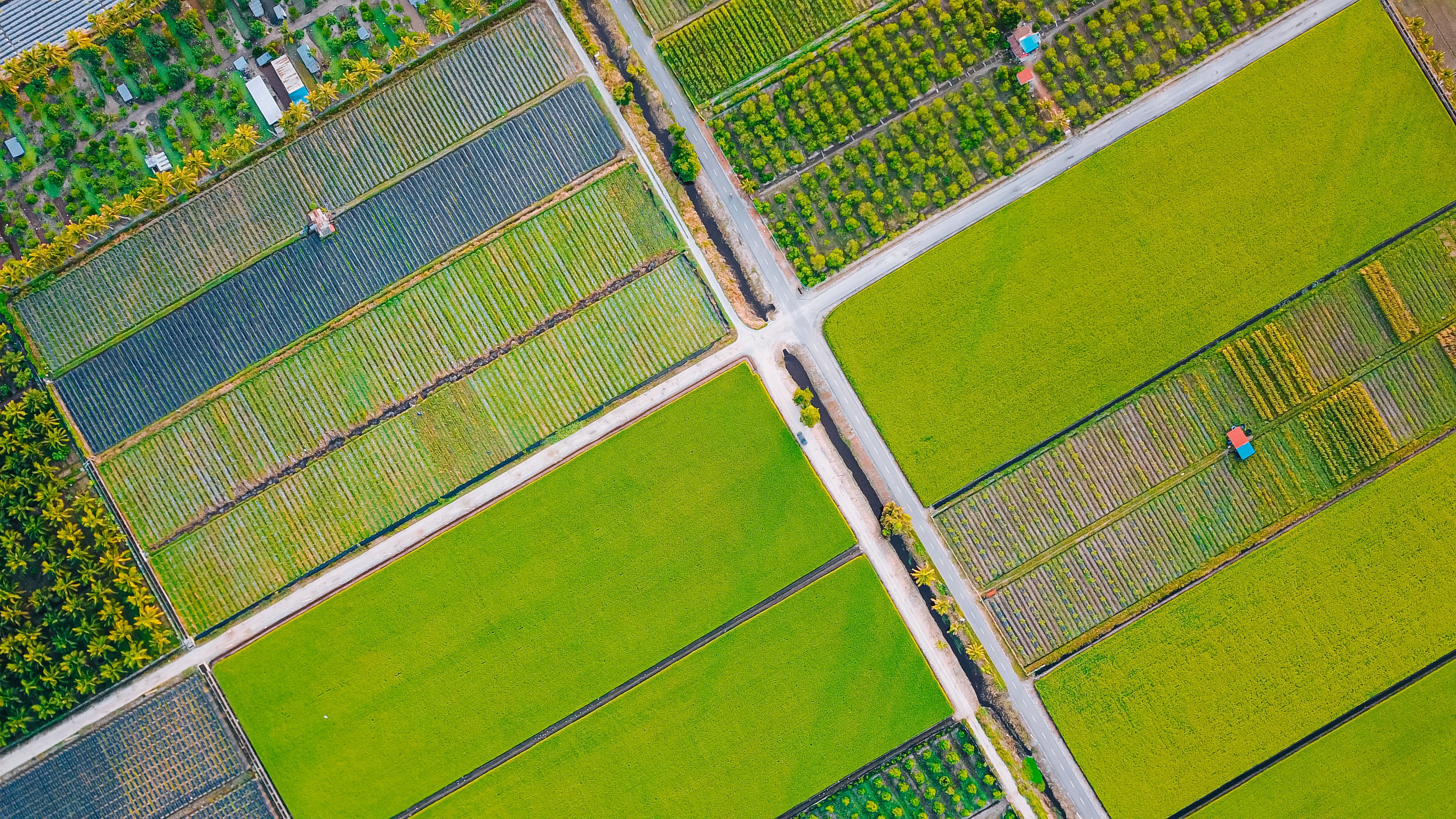
Pune's commitment to sustainability is further highlighted by its support for renewable energy sources in food manufacturing processes, reducing carbon footprints and promoting a cleaner environment.
Strengthening Supply Chains
Fair trade practices are also redefining supply chains in Pune. By establishing direct relationships between producers and consumers, middlemen are minimized, ensuring that profits are fairly distributed. This approach not only benefits the farmers but also provides consumers with high-quality, ethically sourced products.
The strengthened supply chains foster transparency and trust, elements that are crucial in building long-term relationships between stakeholders in the fair trade ecosystem.
Challenges and Opportunities
Despite the progress, there are challenges that Pune faces in advancing fair trade food manufacturing. Market access, certification processes, and consumer awareness remain areas that require continuous effort and innovation. However, these challenges also present opportunities for growth and collaboration.
By leveraging technology and fostering partnerships with global fair trade organizations, Pune can enhance its role as a leader in sustainable food manufacturing.
Future Outlook
The future of fair trade food manufacturing in Pune looks promising. With a strong foundation of community support and a commitment to sustainable practices, the city is well-positioned to influence broader industry trends. Continued investment in education, technology, and infrastructure will further bolster Pune's impact on the global fair trade movement.
As consumers worldwide become more conscious of their purchasing decisions, Pune's role in advancing fair trade will serve as a model for other regions striving for similar transformations.