
The Impact of Seasonal Changes on Royal Jelly Production in Pune


Understanding Royal Jelly Production
Royal jelly is a nutrient-rich substance produced by honeybees, specifically for nourishing the queen bee. The production of royal jelly is influenced by various factors, including the environment, the availability of resources, and the colony's health. In Pune, a region known for its diverse climate, seasonal changes significantly impact the production of this valuable substance.
Beekeepers in Pune have observed that the fluctuations in temperature and humidity play a crucial role in the production cycles. Understanding these patterns helps in optimizing the yield and ensuring the sustainability of bee colonies.

Seasonal Variations in Pune
Pune experiences three main seasons: summer, monsoon, and winter. Each season has a distinct impact on royal jelly production:
- Summer: The dry and hot conditions can stress bee colonies, often leading to reduced production of royal jelly. Beekeepers must ensure adequate water supply and shade to maintain optimal hive conditions.
- Monsoon: The rainy season brings high humidity and abundant floral resources, enhancing the bees' ability to produce royal jelly. However, excessive rain can flood hives and promote diseases.
- Winter: Cooler temperatures slow down bee activity, which can decrease royal jelly production. Insulating hives and ensuring a steady food supply are crucial during this time.
Adapting Beekeeping Practices
To counteract the challenges posed by each season, beekeepers in Pune have adapted their practices. During summer, they focus on providing additional hydration and ventilation. In the monsoon, hive elevation and disease management become priorities. Winter requires strategies to keep bees warm and well-fed.
These adjustments are essential for maximizing royal jelly yield and ensuring the health of bee colonies. By aligning beekeeping methods with seasonal changes, producers can maintain a steady supply of this precious substance.
The Role of Flora and Fauna
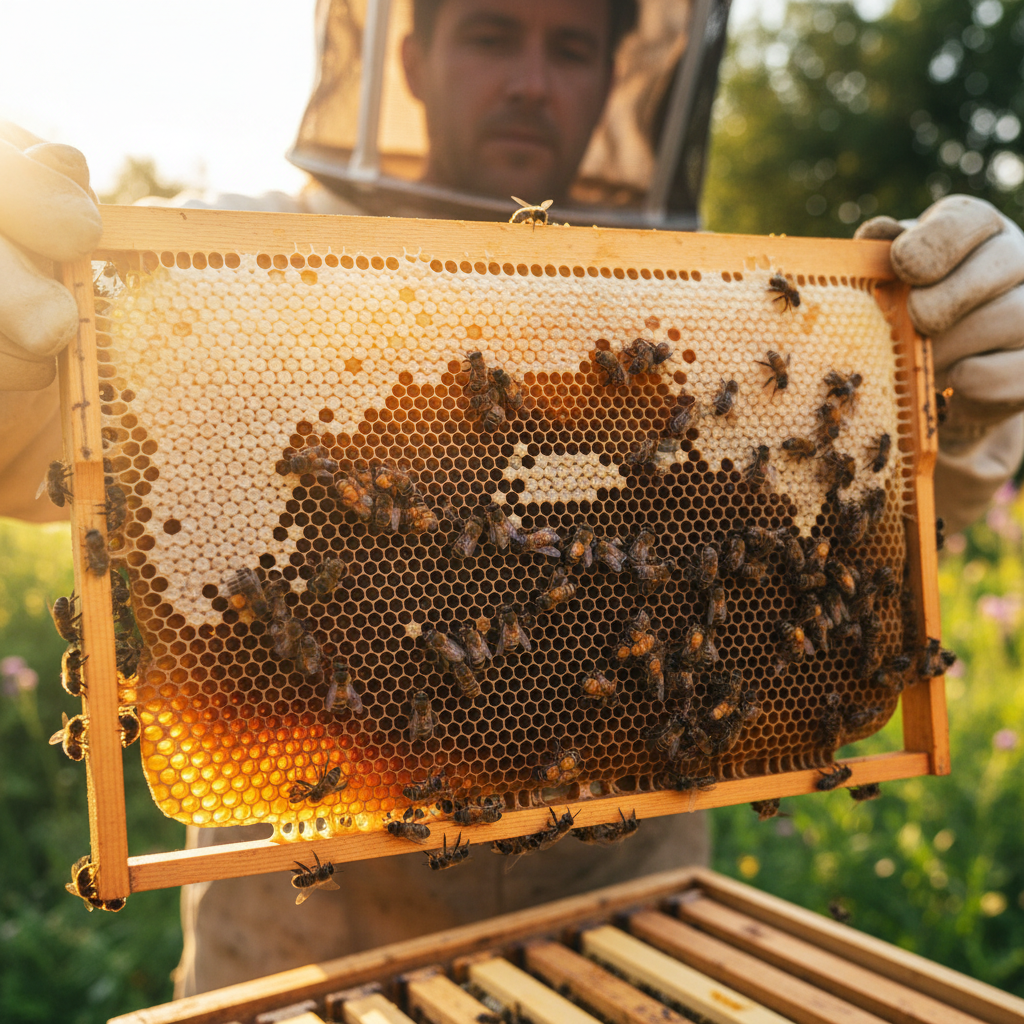
Floral availability is another critical factor affected by seasonal changes. Pune's diverse plant life provides a consistent source of pollen and nectar, which are vital for royal jelly production. However, the blooming cycles of these plants vary with the seasons, influencing the bees' foraging behavior.
Beekeepers often track local flora to predict the best times for peak royal jelly production. This knowledge allows them to strategically position hives near flowering plants, optimizing collection efforts.
Economic and Environmental Implications
The impact of seasonal changes on royal jelly production also extends to economic and environmental aspects. A reduced yield can affect the local economy, particularly for those who rely on beekeeping as a livelihood. Conversely, a successful harvest contributes to economic growth and biodiversity.
Environmentally, healthy bee populations support pollination, which is crucial for maintaining ecological balance. Understanding and adapting to seasonal changes ensure that both economic and environmental benefits are maximized.
Conclusion
In Pune, the interplay between seasonal changes and royal jelly production is complex yet manageable. By understanding the effects of temperature, humidity, and flora on bee activity, beekeepers can adapt their practices accordingly. These efforts not only enhance production but also support the sustainability of bee populations and the broader ecosystem.