Top 5 Myths About Clean Label Foods: Debunked


Understanding Clean Label Foods
The term "clean label" has gained significant traction in recent years, but with its popularity comes a wave of misconceptions. To make informed food choices, it's crucial to separate fact from fiction.
Myth 1: Clean Label Means Organic
One common myth is that clean label foods are synonymous with organic foods. While both prioritize health and transparency, they are not the same. Clean label foods focus on simple, recognizable ingredients, whereas organic foods adhere to specific farming practices. Not all clean label products are organic, and vice versa.
Myth 2: Clean Label Products Are Always Healthier
Another misconception is that clean label foods are inherently healthier. While they often contain fewer artificial additives, this doesn't automatically make them low-calorie or nutrient-rich. It's essential to read the nutritional information alongside the ingredient list to assess the overall health benefits.

Myth 3: Clean Label Equals All-Natural
Many believe that a clean label guarantees a product is all-natural. However, the term "natural" is unregulated and can be misleading. Clean label products strive for transparency and simplicity, but it's crucial to look beyond marketing buzzwords to truly understand what's in your food.
The Importance of Ingredient Transparency
Clean label foods emphasize transparency, aiming to provide consumers with clear information about what's in their food. This movement responds to the growing demand for honesty in food labeling, helping consumers make more informed choices.

Myth 4: Clean Label Foods Are Free of Preservatives
A prevalent myth is that clean label products contain no preservatives. While these products aim to minimize artificial additives, some natural preservatives may still be present to ensure safety and shelf life. It's important to distinguish between synthetic and natural preservatives.
Myth 5: Clean Label Costs More
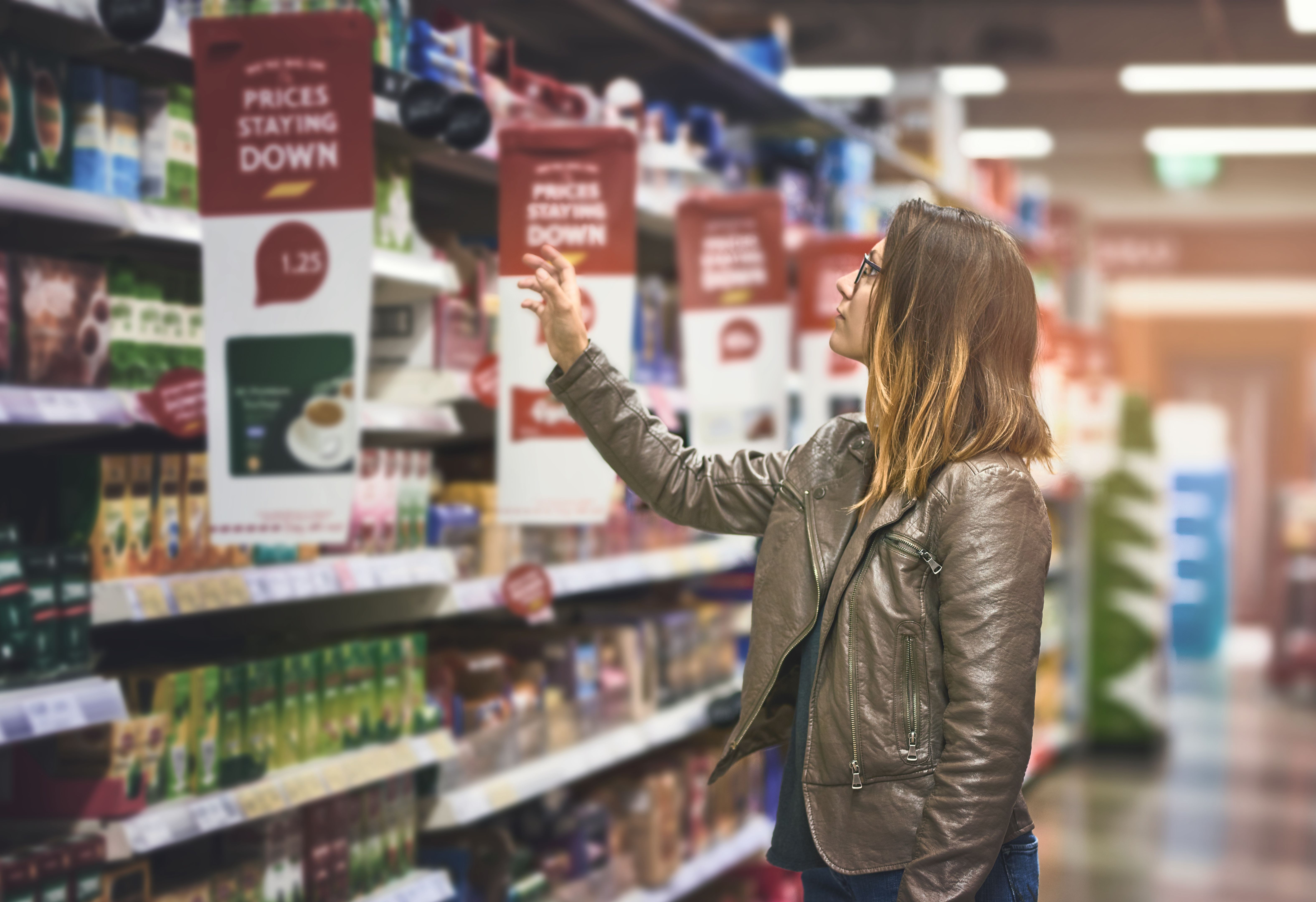
Finally, many assume that clean label products are more expensive. While some items may carry a premium due to higher-quality ingredients, this isn't universally true. As demand grows, more affordable options are becoming available on the market, making clean label choices accessible to a wider audience.
Making Informed Decisions
In the end, understanding clean label foods involves cutting through the myths and focusing on factual information. By debunking these common misconceptions, consumers can better navigate the marketplace and choose products aligning with their values and dietary needs.