
Top Trends in the Food Supply Chain Industry: A Focus on Natural Products


The food supply chain industry is undergoing significant transformations, driven by growing consumer demand for transparency, sustainability, and health-conscious choices. A key area of focus is the surge in natural products. This shift is reshaping how companies source, produce, and distribute food items, reflecting broader trends in consumer preferences.

Emphasis on Sustainability
One of the most notable trends is the emphasis on sustainability. Consumers are increasingly concerned about the environmental impact of their food. As a result, companies are adopting more sustainable practices, such as reducing waste, minimizing carbon footprints, and supporting organic farming. This approach not only appeals to eco-conscious consumers but also helps protect the planet.
Many businesses are now focusing on sustainable sourcing, ensuring that the ingredients they use are not only natural but also obtained in an environmentally friendly manner. This includes supporting local farmers and using renewable resources to meet production demands.
Transparency and Traceability
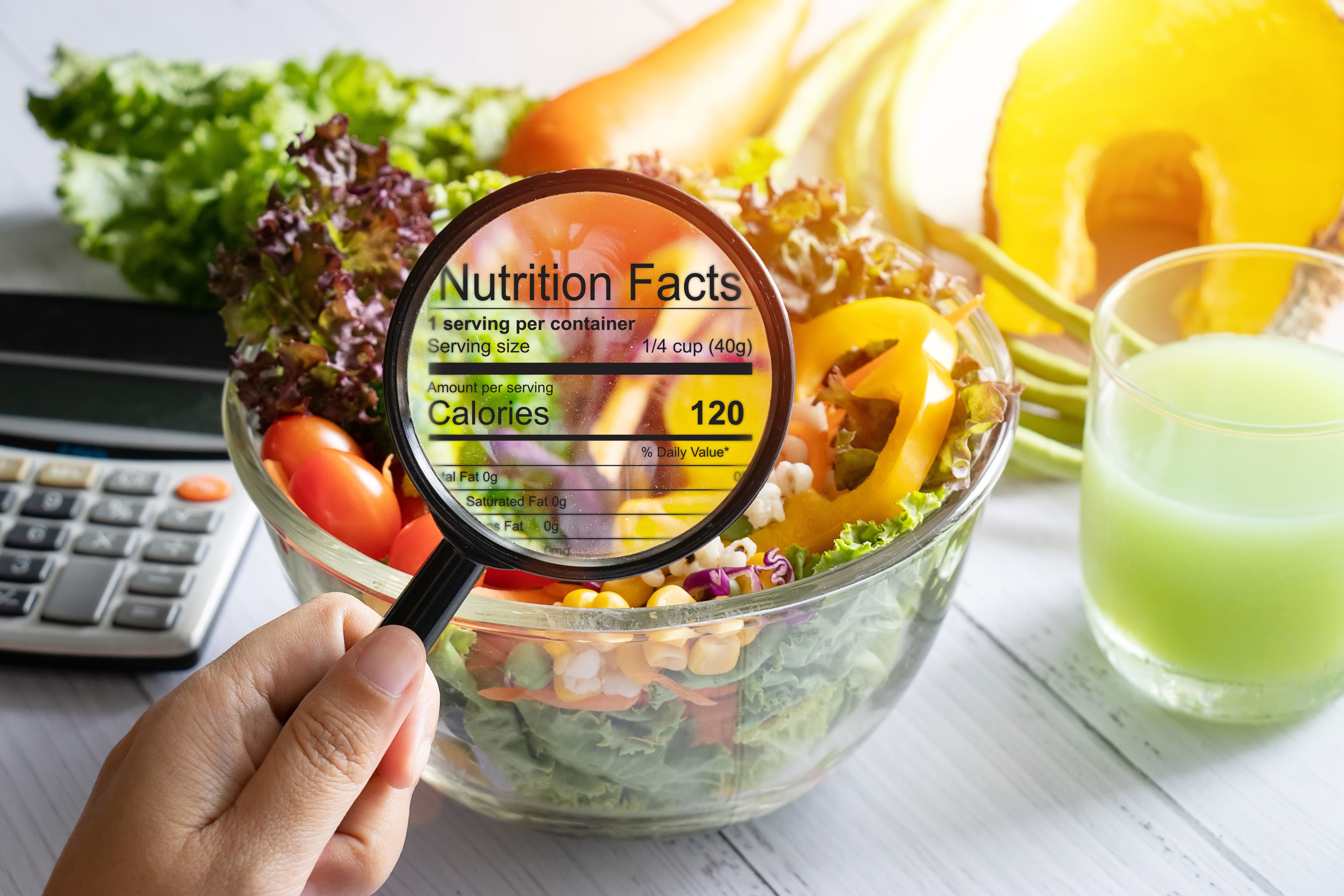
Transparency has become a cornerstone of the food supply chain industry. Consumers want to know where their food comes from and how it is produced. Companies are responding by providing detailed information about their products, from farm to table. This includes labeling practices that highlight natural ingredients and the absence of artificial additives.
Traceability technologies, such as blockchain, are being employed to enhance transparency. These technologies allow consumers to track the journey of their food, ensuring that it meets the highest standards of quality and safety.
Health and Wellness
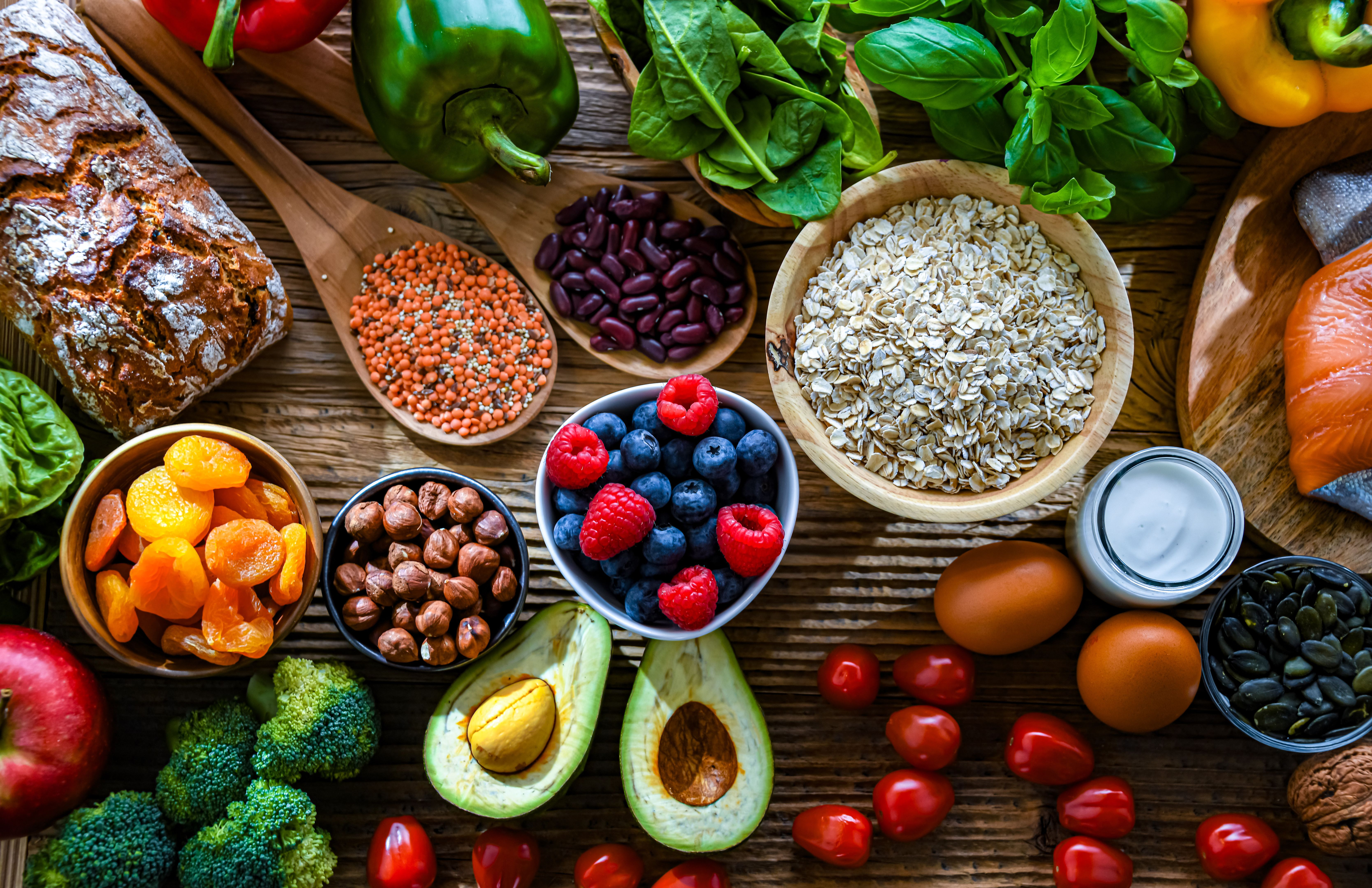
The growing interest in health and wellness is another key driver of change. Natural products are often perceived as healthier options, free from harmful chemicals and additives. This perception is leading to a rise in demand for organic, non-GMO, and gluten-free products, which is reshaping the product offerings in the market.
Companies are innovating to meet these demands by introducing new products that cater to specific dietary needs. This includes plant-based alternatives and products fortified with vitamins and minerals.
Technological Advancements
Advancements in technology are playing a crucial role in the evolution of the food supply chain. From precision agriculture to AI-driven analytics, technology is helping companies optimize their operations and enhance the quality of natural products. These innovations enable businesses to predict market trends, manage inventory efficiently, and reduce waste.
Moreover, e-commerce platforms are expanding the reach of natural products, making them more accessible to consumers worldwide. This digital transformation is revolutionizing how food products are marketed and sold.
Challenges and Opportunities
While the focus on natural products presents numerous opportunities, it also poses challenges. Sourcing high-quality natural ingredients can be difficult, and maintaining consistent supply chains requires robust planning and collaboration. However, companies that successfully navigate these challenges can build strong brand loyalty and differentiate themselves in a competitive market.

In conclusion, the food supply chain industry is experiencing a paradigm shift toward natural products, driven by consumer demand for sustainability, transparency, and health. By embracing these trends, businesses can not only meet current market demands but also contribute to a healthier and more sustainable future.