
Understanding Fair Trade Certification in Food Manufacturing


What is Fair Trade Certification?
Fair Trade Certification is a significant movement aimed at creating sustainable and equitable trading conditions. It focuses primarily on empowering producers in developing countries by ensuring they receive fair compensation for their work. This certification is especially pertinent in the food manufacturing industry, where it helps to promote ethical practices.
The certification process involves rigorous standards that producers must meet to ensure that workers are treated fairly, the environment is respected, and sustainable practices are implemented. Products with a Fair Trade label assure consumers that the items they purchase contribute to positive change.
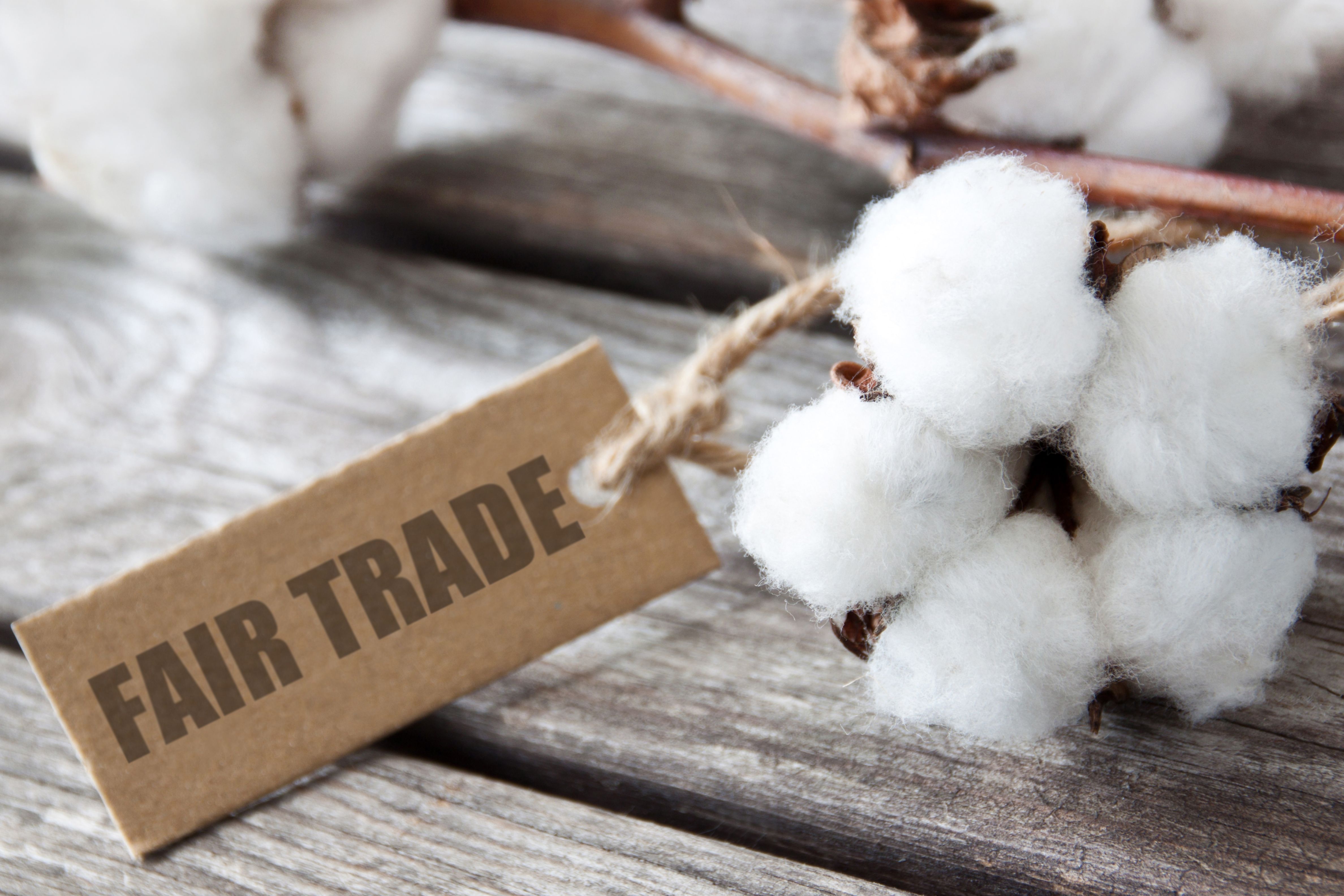
Principles of Fair Trade
At the heart of Fair Trade Certification are several key principles designed to uphold ethical standards. These include:
- Fair Compensation: Ensuring that workers receive a wage that allows them to live with dignity.
- Safe Working Conditions: Providing a safe and healthy work environment for all employees.
- Environmental Sustainability: Encouraging practices that protect the environment and promote biodiversity.
- Community Development: Investing in local communities to improve infrastructure and social services.
Impact on Food Manufacturing
In the food manufacturing sector, Fair Trade Certification has a profound impact. It encourages companies to source their ingredients responsibly, ensuring that farmers and workers are compensated fairly. This not only supports economic growth in developing regions but also enhances the quality of products.
By adhering to Fair Trade principles, food manufacturers can also appeal to a growing base of conscious consumers who prioritize ethical sourcing and sustainability in their purchasing decisions.

Benefits for Consumers
For consumers, purchasing Fair Trade certified products offers numerous benefits. It allows them to make informed choices that align with their values. By choosing these products, consumers contribute to the global effort to reduce poverty and promote environmental stewardship.
Additionally, Fair Trade products often come with higher quality standards, as the certification process ensures adherence to strict guidelines that prioritize quality and sustainability.
Challenges in Certification
While Fair Trade Certification provides numerous benefits, it is not without challenges. The certification process can be costly and time-consuming for producers, especially small-scale farmers. There is also the challenge of maintaining transparency and traceability throughout the supply chain.
Efforts are being made to address these challenges through technology and collaboration between stakeholders, ensuring the integrity and accessibility of Fair Trade practices.

The Future of Fair Trade
The future of Fair Trade Certification looks promising as more businesses and consumers recognize the importance of ethical practices. Innovations in technology are expected to further simplify the certification process, making it more accessible to producers worldwide.
As awareness grows, so does the potential for Fair Trade to transform industries and communities, creating a more equitable and sustainable future for all involved.