
Understanding the Impact of Seasonal Changes on Food Supply Chains


Introduction to Seasonal Changes and Food Supply Chains
Seasonal changes have a significant impact on food supply chains around the world. As the seasons shift, so do the patterns of agricultural production, affecting everything from planting and harvesting to distribution and pricing. Understanding these changes is crucial for businesses and consumers alike.
The food supply chain is a complex system involving multiple stages, including production, processing, distribution, and consumption. Each stage can be influenced by various factors, with seasonal changes playing a major role.
The Role of Climate in Agricultural Production
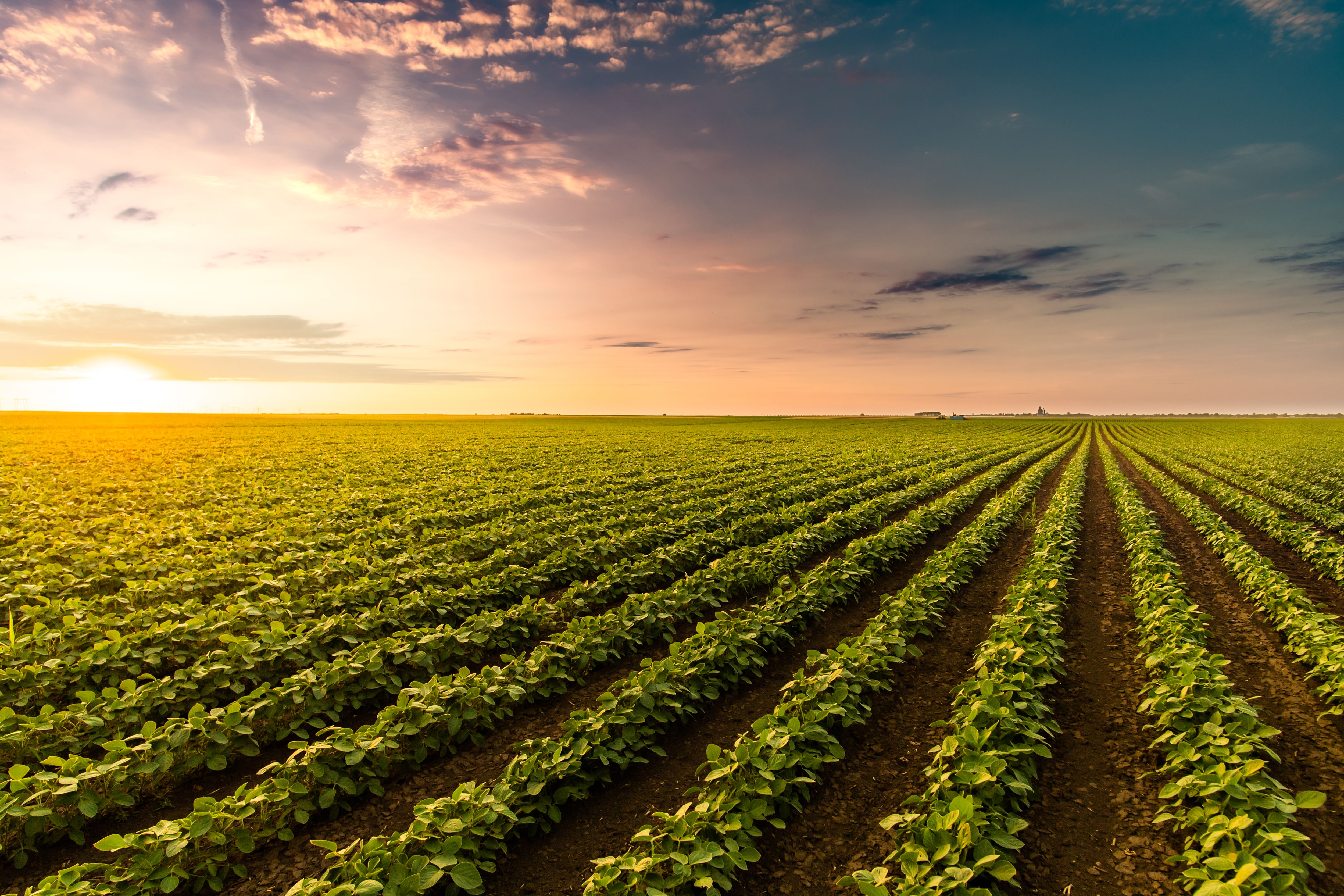
Climate is a primary factor in determining what crops can be grown and when. Different crops require specific temperatures, rainfall, and daylight hours to thrive. For instance, winter wheat is planted in the fall and harvested in early summer, while corn is typically planted in spring and harvested in the fall.
Changes in precipitation and temperature can lead to variations in crop yields. A dry season may result in poor harvests, leading to scarcity and increased prices, while a favorable season can lead to surplus and lower costs for consumers.
Adaptation Strategies for Farmers
Farmers often employ various strategies to adapt to seasonal changes. These might include selecting crop varieties that are more resilient to weather extremes, implementing advanced irrigation techniques, or using greenhouses to extend growing seasons. These adaptations help mitigate the risks associated with unpredictable weather patterns.

Impact on Food Distribution and Pricing
Seasonal changes not only affect production but also influence food distribution and pricing. During peak harvest season, an abundance of produce can lead to lower prices. Conversely, during off-season periods, prices may rise due to limited supply.
The transportation of food products can also be affected by seasonal weather conditions. For example, winter storms may delay shipments, leading to potential shortages and increased costs.
Logistical Challenges
Logistics companies must navigate these challenges by planning routes that account for weather disruptions and ensuring that storage facilities are equipped to handle seasonal variations. Efficient logistics are essential to maintain a stable food supply and keep costs manageable.

Consumer Behavior and Seasonal Foods
Seasonal changes influence consumer behavior as well. Many consumers prefer fresh, seasonal produce due to its higher nutritional value and better taste. This preference can drive demand for certain foods at specific times of the year.
Moreover, seasonal foods often come with a lower environmental footprint since they require less energy for production and transportation compared to out-of-season alternatives.
Promoting Seasonal Eating
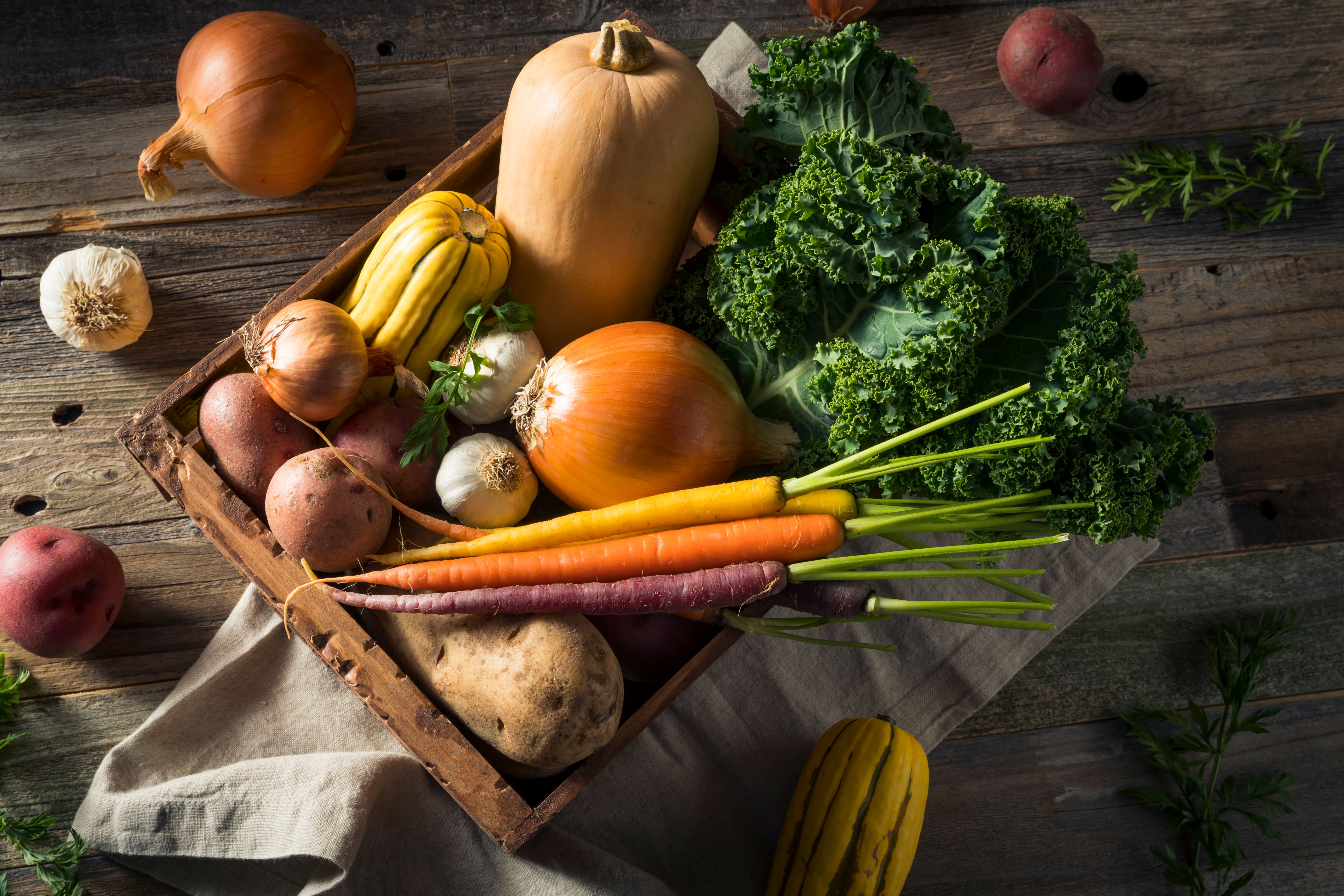
Promoting seasonal eating can benefit both consumers and the environment. Encouraging people to buy and consume foods that are in season locally can support local farmers, reduce carbon emissions, and offer fresher, more nutritious options.
Conclusion
Understanding the impact of seasonal changes on food supply chains is essential for navigating the challenges and opportunities they present. By acknowledging the interconnectedness of climate, production, distribution, and consumer behavior, stakeholders can make informed decisions that benefit the entire food system.
Embracing strategies that align with seasonal patterns not only enhances resilience but also promotes sustainability and food security in the long run.